Solar Panel Installation Pakistan: 2026 Complete Guide
Getting solar panel installation Pakistan right in 2026 can transform your electricity bills from a monthly worry into a source of savings. As grid tariffs climb and outages persist, rooftop solar has moved from luxury to sensible investment for homes and businesses nationwide. The key is choosing the right panels and installing them properly the first time.
This complete guide covers panel types, roof readiness, the installation steps, and the maintenance habits that keep output high for decades. Every recommendation reflects hands-on field experience across Pakistan’s varied climates, from humid coasts to dusty plains.
Why Invest in Solar Panels in 2026?
Pakistan enjoys some of the highest solar potential in the region, with long sunny days across most provinces. A quality solar panel installation Pakistan project captures that free energy and turns it into predictable, self-generated power that shields you from rising tariffs.
The core benefits are clear:
- Lower bills: daytime generation offsets your most expensive grid units.
- Energy security: paired with batteries, panels beat load-shedding.
- Added value: solar-equipped properties attract buyers and tenants.
Homeowners ready to begin usually start by booking a professional solar panel installation Pakistan service that includes a structural roof check and shading analysis.
Which Solar Panel Type Should You Choose?
Panel choice affects output, lifespan, and roof space needs. The three common options each suit different budgets and conditions.
- Monocrystalline: highest efficiency, best for limited roof space.
- Polycrystalline: lower cost, needs more area for the same output.
- Bifacial: captures reflected light, excellent on bright open roofs.
Panel Comparison and Output for Pakistani Roofs
The table below compares panel types by efficiency, space, and indicative 2026 pricing per watt. Actual figures vary with brand, tier, and import conditions.
| Panel Type | Typical Efficiency | Roof Space Needed | Indicative 2026 Price (PKR/watt) |
|---|---|---|---|
| Monocrystalline | 20-22% | Low | 45-65 |
| Polycrystalline | 16-18% | High | 35-50 |
| Bifacial mono | 21-23% | Low-medium | 55-75 |
| Half-cut mono | 20-22% | Low | 50-70 |
For most urban homes with limited roof area, monocrystalline or half-cut panels deliver the strongest output per square metre, which is why they dominate 2026 installs.
How Does the Installation Process Work?
A professional install follows a disciplined sequence that protects both performance and safety. Cutting corners here shortens system life and risks your warranty.
The standard steps are:
- Structural survey to confirm the roof can bear the array.
- Shading and orientation study for optimal panel placement.
- Mounting rails fixed with weatherproof, corrosion-resistant fittings.
- Panels wired in strings matched to the inverter’s voltage window.
- Earthing, testing, and commissioning with a handover report.
Panels should tilt roughly equal to your latitude and face south for peak annual yield. Quality solar panels in Pakistan paired with correct mounting deliver decades of reliable generation.
Maintenance and Long-Term Performance
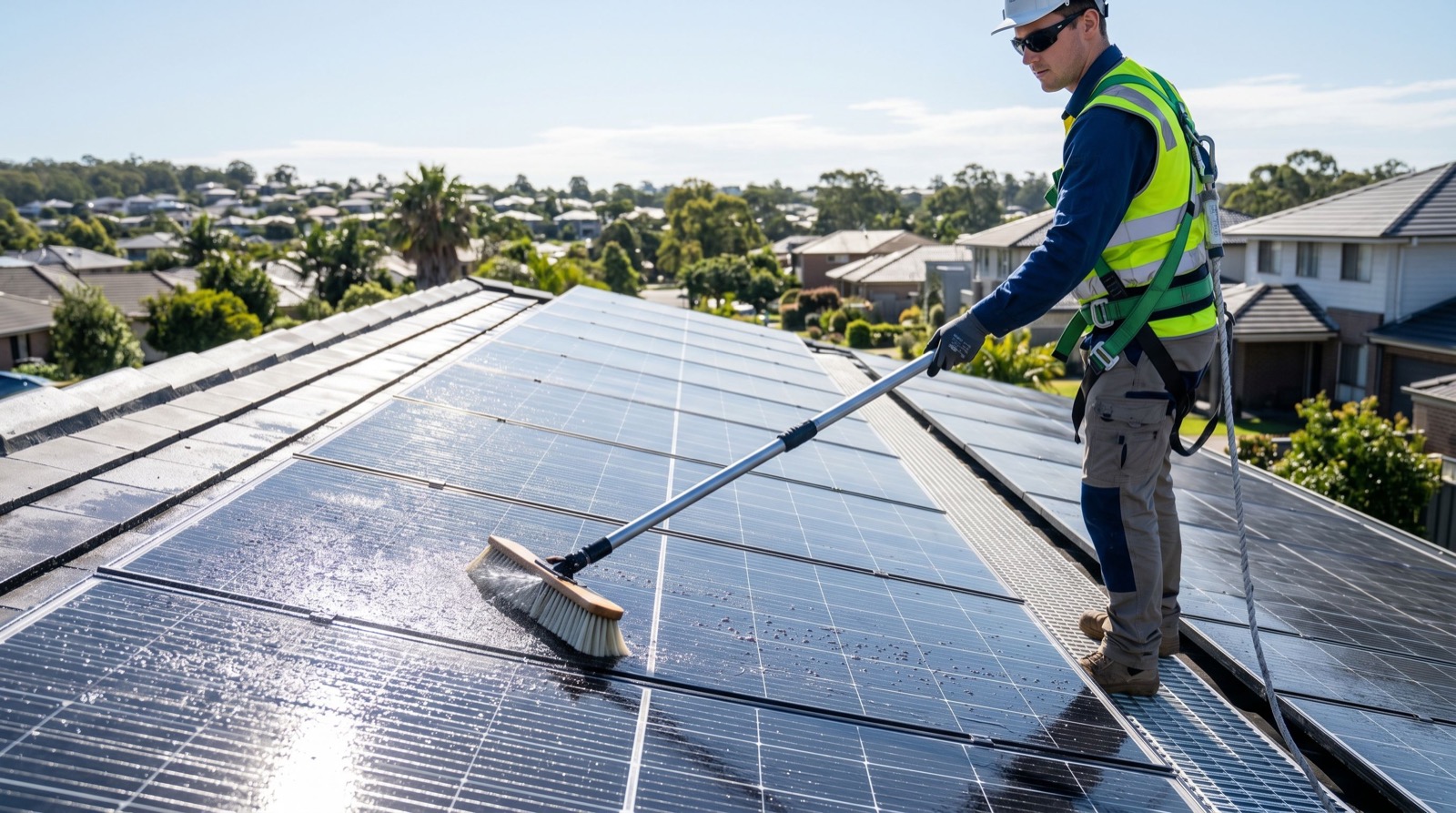
Solar panels are low-maintenance but not no-maintenance. Dust, bird droppings, and smog reduce output if ignored, especially in dry and urban regions.
Keep performance high with these habits:
- Rinse panels monthly, or more often in dusty seasons.
- Inspect mounting and cabling twice a year for wear.
- Monitor output through the inverter app to catch drops early.
- Trim nearby branches that cast new shade over time.
According to the U.S. Department of Energy, well-maintained panels commonly retain over 80% of their rated output after 25 years, which underlines solar’s long-term value.
Climate also shapes your maintenance schedule. Coastal homes near Karachi face salt-laden air that can corrode fittings, so stainless hardware and periodic checks matter more there. Inland cities such as Multan and Faisalabad battle heavier dust, meaning more frequent rinsing during dry months. Matching your upkeep routine to your local conditions keeps generation steady and prevents the slow, unnoticed decline that robs careless owners of their expected savings across the years.
Financing, Net Metering, and Incentives
The upfront cost of solar puts many families off, yet 2026 offers more ways than ever to spread and recover that spend. Understanding your options turns a large one-time bill into a manageable, self-funding investment.
Three routes make solar affordable across Pakistan:
- Green financing: several banks offer solar loans with instalments that the energy savings help cover.
- Net metering: exporting surplus daytime power earns credits that lower your net bill.
- Phased installs: start with panels and inverter, then add batteries later as budget allows.
Net metering deserves close attention because it directly boosts returns. When your panels generate more than you consume at midday, the surplus feeds the grid and offsets what you draw at night. Over a billing cycle, that credit can shrink your net charges dramatically, especially for homes with modest evening usage.
Documentation makes or breaks the process. Keep your electrician’s test report, equipment certificates, and application receipts organized, because a complete file speeds approval. A professional installer usually handles this paperwork, sparing you the back-and-forth with the distribution company and getting your system exporting sooner.
Original Insight: The String-Matching Secret
Here is a practical tip installers rarely explain. Mixing panels of different ages or wattages in the same string drags the whole string down to the weakest module’s level. When you expand a system later, keep new panels on a separate MPPT input rather than adding them to an old string. This single design choice can preserve 10-15% of total output that many upgraded systems quietly lose.
Frequently Asked Questions
How much does solar panel installation Pakistan cost in 2026?
A complete 5 kW home system typically ranges from 7 to 9 lakh PKR, including panels, inverter, mounting, and wiring. Final cost depends on panel tier, battery choice, and site conditions.
How long do solar panels last?
Quality panels carry 25-year performance warranties and often work well beyond that. Regular cleaning and inspection keep output high, protecting your investment for decades of savings.
Which direction should panels face in Pakistan?
South-facing panels tilted near your latitude capture the most annual sunlight. A professional survey fine-tunes the angle and layout to your specific roof and shading conditions.
Can I install solar panels myself?
DIY installs risk safety, warranty, and net-metering approval. Certified installation ensures correct wiring, structural safety, and compliant paperwork, so professional help is strongly recommended.
Conclusion
A well-executed solar panel installation Pakistan project in 2026 delivers lower bills, energy security, and lasting property value. Choose efficient panels, insist on a proper structural survey, and follow simple maintenance to protect decades of output. Ready to harness the sun? Connect with an experienced local team and start your rooftop solar journey today.